
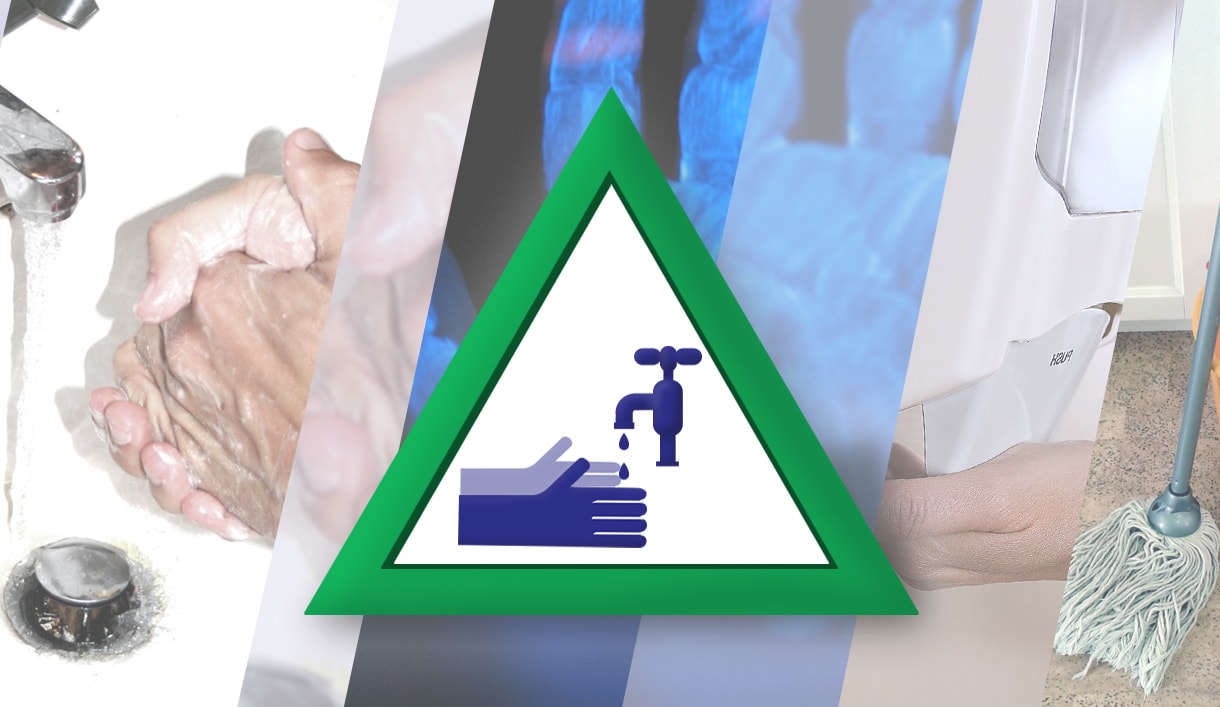

Don’t let the bugs win – Preventing workplace infections
Taking steps to improve hygiene at work
Hygiene has been the focus of many surveys and studies undertaken by various organisations including BUPA, G4S, Which? and the University of Arizona. What they have discovered is toilet facilities have improved drastically over the last 10 years to the point of being a type of “showcase” for companies on how much they appreciate and value staff. On the flip side, workplaces are becoming the one of the fastest breeding grounds for germs.
Is your work productivity at risk?
The way we work is changing fast – gone are the days when we all vacated the office for an hour (or two) and went to the pub or local café en masse. Nowadays, most employers have a strict half hour rule for lunch with a lot of staff remaining to eat at their desks while they catch up with Facebook, Twitter and the rest of their social channels. Couple this with open plan offices, hot desking, job sharing and shift-work and the desk quickly becomes the centre point of contamination. The studies mentioned above give some alarming statistics:
- One in 10 people never clean their keyboard.
- 20% of people never clean their computer mouse.
- Infections and viruses can be spread from a single office door handle to more than half the workforce in just two hours through surfaces alone.
- People are retiring later meaning older, more vulnerable people are working and are potentially more likely to succumb to the latest office bug.

Check out our NEBOSH National General Certificate!
- Bugs are more aggressive and resistant such as the common cold, flu, diarrhoea and vomiting, Norovirus and MRSA.

In addition to absenteeism increasing due to illness, those that “battle on” and come in to work regardless not only contribute to spreading the germs, but their concentration and application is most likely impaired. All of this leads inevitably to a reduction in productivity and thus a drop in profit with the bug being the only true winner.
Employer advice, controlling contamination
So as an employer, how do you tackle this?
- One obvious answer is a cleaner. That is a start but you need to make sure they understand what needs to be cleaned and how often. Supply a specific list to include regular cleaning of light switches, door handles and other communal areas such as the kitchen area. These should all receive as much attention as the ‘prized’ toilet areas.
- Ensure any cleaning routine is adapted to cover areas more often when there is a breakout of illness such as winter when colds are prevalent.
- Cleaners cannot be expected to clean electrical items such as computers, laptops, keyboards etc. – ensure workers know to clean these regularly and how to clean them.
- A clear desk policy will give better opportunity for any cleaners to clean the surfaces.
- Provide a staff room and discourage eating at desks to prevent cross-contamination from desk to food and vice versa.
- Information posters / cards around the workplace and in toilets to remind staff on hygiene matters (e.g. how to wash hands properly). People get used to seeing familiar items and stop paying attention and so change these regularly and make them eye-catching. Focus on different topics each time.
- Ensure that the right facilities and cleaning products are readily available for use such as hand washing soap, surface cleaners and anti-bacterial wipes.
- Education is key – the more people understand, the more they can be expected to act. Explain the risks of bad hygiene and how good practice can benefit everyone.
- As with all good practice, senior staff and management need to be seen to be leading the way by taking these actions seriously.
The more hygienic the lifestyle at work, the more people feel better. Minor illnesses such as the common cold and stomach bugs will reduce leading to less absenteeism, more productivity and better profit. Everyone’s a winner…. except the bugs!
Victoria Hughes





Leave a Reply
Want to join the discussion?Feel free to contribute!